
Brexit is one of the most significant political events in modern British history. It fundamentally changed how the UK relates to its closest neighbours and redefined the country’s place in the world.
This guide explains Brexit in plain terms: what led to it, how it happened, and what it has meant in practice.
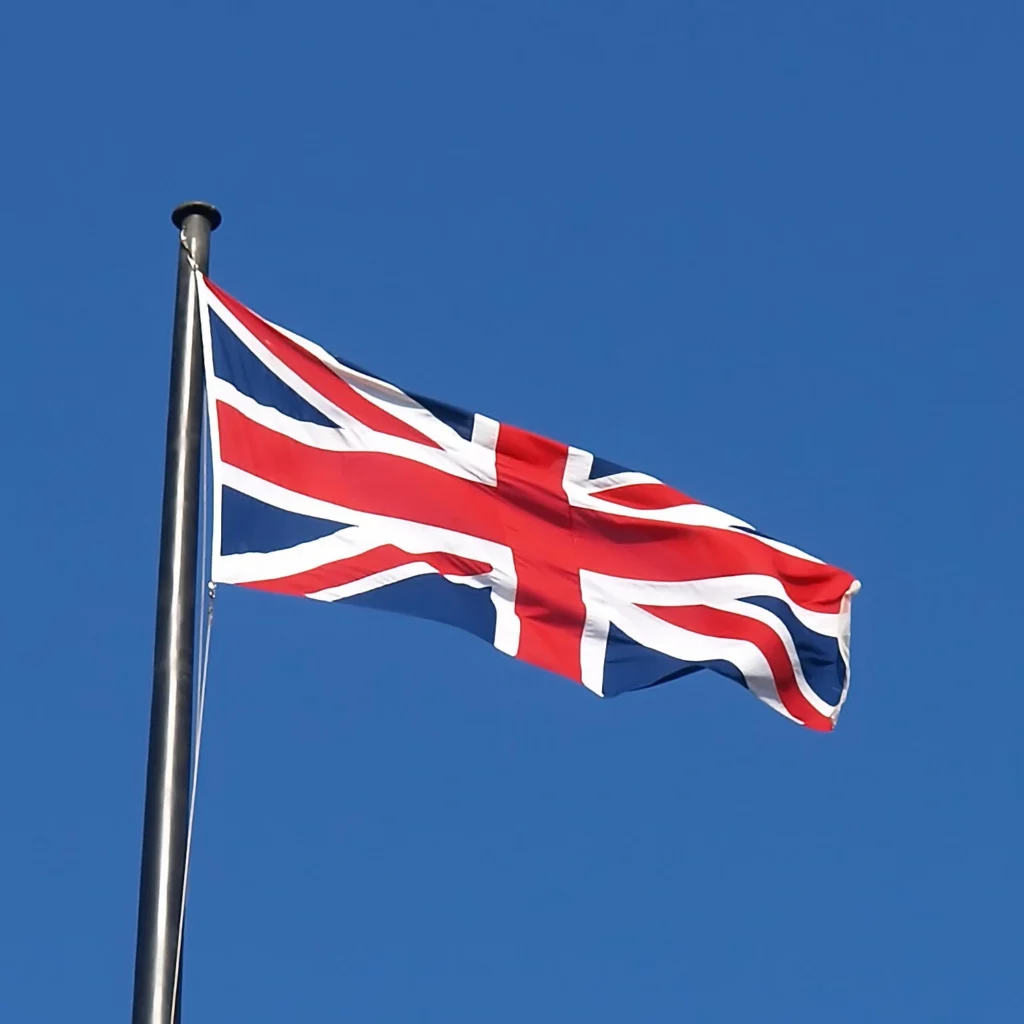
The Background to Brexit
The United Kingdom joined the European Economic Community, the forerunner to the EU, in 1973. Membership brought access to Europe’s single market and subjected the UK to EU law on trade, employment, the environment, and many other areas of policy.
Opposition to EU membership existed throughout this period, rooted in concerns about national sovereignty and the authority of EU institutions over British law. These tensions grew through the 1990s and 2000s as the EU expanded and the scope of its legislation widened.
By the early 2010s, Euroscepticism had become a significant force in British politics. Prime Minister David Cameron responded by promising a referendum on membership if his Conservative Party won the 2015 general election. They did, and the referendum followed in June 2016.
The 2016 Referendum and Its Result
The referendum asked a single question: “Should the United Kingdom remain a member of the European Union or leave the European Union?”
The Leave Campaign
The Leave campaign centred on three main arguments. First, that EU membership cost the UK a substantial net contribution each week, money that could instead fund public services. Second, that EU rules on free movement meant the UK could not control immigration from other member states. Third, that EU law took precedence over UK law on a broad range of matters, limiting what Parliament could decide independently.
The Remain Campaign
The Remain campaign argued that EU membership provided significant economic benefits through access to the single market, made the UK more secure through international cooperation, and gave British citizens rights to live and work across 27 other countries. Most major business organisations, international institutions, and foreign governments backed remaining.
The Result and Its Aftermath
On 23 June 2016, 51.9% of voters chose to leave. Turnout was 72.2%.
David Cameron resigned the following day. Theresa May became Prime Minister and spent three years attempting to negotiate a withdrawal agreement with the EU. Parliament rejected her deal three times.
How the UK Eventually Left
Boris Johnson became Prime Minister in July 2019 and renegotiated the withdrawal agreement, making significant changes to the arrangements for Northern Ireland. Parliament approved the revised deal and the UK formally left the EU on 31 January 2020.
A transition period ran until 31 December 2020, during which the UK remained inside the EU’s single market and customs union while final terms were agreed. The Trade and Cooperation Agreement was concluded on 24 December 2020 and came into force on 1 January 2021.

What Brexit Changed in Practice
Brexit ended free movement between the UK and EU. Both UK and EU citizens now require permission to live and work in each other’s territories.
Trade between the UK and EU is now subject to customs declarations and regulatory checks that did not previously exist. Some goods face tariffs in specific circumstances, and businesses must comply with two sets of regulatory standards if they sell into both markets.
The UK is no longer subject to EU law or the jurisdiction of the European Court of Justice. Parliament has full authority over the areas that EU law previously governed.
Key Areas Still Shaped by Brexit
Several issues remain live and contested years after the formal departure.
The Northern Ireland Protocol, later replaced by the Windsor Framework, created distinct arrangements for Northern Ireland to maintain an open border with the Republic of Ireland while managing trade from Great Britain. This continues to generate political debate.
The UK-EU relationship on security cooperation, data sharing, and professional qualifications recognition is still developing. Many areas that were seamless under EU membership now require explicit bilateral agreements.